Cross-laminated timber
Our CLT panels offer a balance of durability, beauty, and efficiency—built for today’s performance standards.
Customizable layups and options
CLT Grades
1.4V 875 = V2
1.4V 750 ≥ V3
1.8M ≥ E1
Layup Options
3-, 5-, 7-, and 9-ply
Species Groups
Spruce-Pine-Fir (SPF),
Douglas Fir-Larch (DF-L),
Southern Yellow Pine (SYP),
Hem-Fir (HR)
Thickness
from 3.24 in (82.5mm) to 12.40 (315mm)
Sizing
Maximum dimensions of 12 ft (3.66m) wide by 60 ft (18.28m) long
Certification
ANSI/APA PRG 320 certified by APA and PFS-TECO
Visual Grade
Architectural Appearance (AA) surface classification for a highly finished look and Industrial Appearance (IA) for more rustic applications
CLT Layups
CLT3-090

Span table
| Condition | Vibration | L/240 | ASD |
|---|
Maximum span (FT), Live Load=40PSF, V Grade
Footnotes
- For panel properties refer to Tables 8 and 9 in MMT Design Guide. Span tables should be used under dry conditions and for Preliminary Sizing only.
- Span tables includes self-weight plus a super-imposed dead load of SDL=40PSF. This SDL covers a typical 2” thick concrete topping + 15PSF for miscellaneous imposed dead loads.
- For double span situation, both spans are assumed to be equal. Live load pattern loading have not been considered. Live loads are assumed to be uniform over both spans.
- Deflection checks were made assuming a maximum allowable deformation of L/240 (L= span) under total load, including creep behaviour as defined in NDS classes 3.5.2 with Kcr=2.0.
- Vibration design follows the approach outlined in the CLT Handbook, as referenced in the latest U.S. Mass Timber Floor Vibration Design Guide.Vibration span values are increased by 20% for double-span conditions, based on guidance from the U.S. CLT Handbook and the Mass Timber Floor Vibration Design Guide. The effect of flexible supports (e.g., glulam beams) is not reflected in the vibration results presented; more advanced analysis may be required.
- ASD spans shown are established not to exceed the maximum Moment and Shear capacities of the panels, as per ASD design methodology defined on the NDS. All adjustment factors outlined in NDS Table 10.3.1 have assumed as 1.0.
- Span tables values are only valid the major strength direction of the CLT panels.
- Some spans might exceed manufacturing capacities (60′ single span panel, 2×30′ for double span). In some manufacturing plants and situations, the maximum panel size might be further reduced. Contact Mercer Mass Timber for more details.
CLT3-105

Span table
| Condition | Vibration | L/240 | ASD |
|---|
Maximum span (FT), Live Load=40PSF, V Grade
Footnotes
- For panel properties refer to Tables 8 and 9 in MMT Design Guide. Span tables should be used under dry conditions and for Preliminary Sizing only.
- Span tables includes self-weight plus a super-imposed dead load of SDL=40PSF. This SDL covers a typical 2” thick concrete topping + 15PSF for miscellaneous imposed dead loads.
- For double span situation, both spans are assumed to be equal. Live load pattern loading have not been considered. Live loads are assumed to be uniform over both spans.
- Deflection checks were made assuming a maximum allowable deformation of L/240 (L= span) under total load, including creep behaviour as defined in NDS classes 3.5.2 with Kcr=2.0.
- Vibration design follows the approach outlined in the CLT Handbook, as referenced in the latest U.S. Mass Timber Floor Vibration Design Guide.Vibration span values are increased by 20% for double-span conditions, based on guidance from the U.S. CLT Handbook and the Mass Timber Floor Vibration Design Guide. The effect of flexible supports (e.g., glulam beams) is not reflected in the vibration results presented; more advanced analysis may be required.
- ASD spans shown are established not to exceed the maximum Moment and Shear capacities of the panels, as per ASD design methodology defined on the NDS. All adjustment factors outlined in NDS Table 10.3.1 have assumed as 1.0.
- Span tables values are only valid the major strength direction of the CLT panels.
- Some spans might exceed manufacturing capacities (60′ single span panel, 2×30′ for double span). In some manufacturing plants and situations, the maximum panel size might be further reduced. Contact Mercer Mass Timber for more details.
CLT5-139

Span table
| Condition | Vibration | L/240 | ASD |
|---|
Maximum span (FT), Live Load=40PSF, V Grade
Footnotes
- For panel properties refer to Tables 8 and 9 in MMT Design Guide. Span tables should be used under dry conditions and for Preliminary Sizing only.
- Span tables includes self-weight plus a super-imposed dead load of SDL=40PSF. This SDL covers a typical 2” thick concrete topping + 15PSF for miscellaneous imposed dead loads.
- For double span situation, both spans are assumed to be equal. Live load pattern loading have not been considered. Live loads are assumed to be uniform over both spans.
- Deflection checks were made assuming a maximum allowable deformation of L/240 (L= span) under total load, including creep behaviour as defined in NDS classes 3.5.2 with Kcr=2.0.
- Vibration design follows the approach outlined in the CLT Handbook, as referenced in the latest U.S. Mass Timber Floor Vibration Design Guide.Vibration span values are increased by 20% for double-span conditions, based on guidance from the U.S. CLT Handbook and the Mass Timber Floor Vibration Design Guide. The effect of flexible supports (e.g., glulam beams) is not reflected in the vibration results presented; more advanced analysis may be required.
- ASD spans shown are established not to exceed the maximum Moment and Shear capacities of the panels, as per ASD design methodology defined on the NDS. All adjustment factors outlined in NDS Table 10.3.1 have assumed as 1.0.
- Span tables values are only valid the major strength direction of the CLT panels.
- Some spans might exceed manufacturing capacities (60′ single span panel, 2×30′ for double span). In some manufacturing plants and situations, the maximum panel size might be further reduced. Contact Mercer Mass Timber for more details.
CLT5-150

Span table
| Condition | Vibration | L/240 | ASD |
|---|
Maximum span (FT), Live Load=40PSF, V Grade
Footnotes
- For panel properties refer to Tables 8 and 9 in MMT Design Guide. Span tables should be used under dry conditions and for Preliminary Sizing only.
- Span tables includes self-weight plus a super-imposed dead load of SDL=40PSF. This SDL covers a typical 2” thick concrete topping + 15PSF for miscellaneous imposed dead loads.
- For double span situation, both spans are assumed to be equal. Live load pattern loading have not been considered. Live loads are assumed to be uniform over both spans.
- Deflection checks were made assuming a maximum allowable deformation of L/240 (L= span) under total load, including creep behaviour as defined in NDS classes 3.5.2 with Kcr=2.0.
- Vibration design follows the approach outlined in the CLT Handbook, as referenced in the latest U.S. Mass Timber Floor Vibration Design Guide.Vibration span values are increased by 20% for double-span conditions, based on guidance from the U.S. CLT Handbook and the Mass Timber Floor Vibration Design Guide. The effect of flexible supports (e.g., glulam beams) is not reflected in the vibration results presented; more advanced analysis may be required.
- ASD spans shown are established not to exceed the maximum Moment and Shear capacities of the panels, as per ASD design methodology defined on the NDS. All adjustment factors outlined in NDS Table 10.3.1 have assumed as 1.0.
- Span tables values are only valid the major strength direction of the CLT panels.
- Some spans might exceed manufacturing capacities (60′ single span panel, 2×30′ for double span). In some manufacturing plants and situations, the maximum panel size might be further reduced. Contact Mercer Mass Timber for more details.
CLT5-175
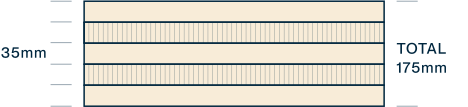
Span table
| Condition | Vibration | L/240 | ASD |
|---|
Maximum span (FT), Live Load=40PSF, V Grade
Footnotes
- For panel properties refer to Tables 8 and 9 in MMT Design Guide. Span tables should be used under dry conditions and for Preliminary Sizing only.
- Span tables includes self-weight plus a super-imposed dead load of SDL=40PSF. This SDL covers a typical 2” thick concrete topping + 15PSF for miscellaneous imposed dead loads.
- For double span situation, both spans are assumed to be equal. Live load pattern loading have not been considered. Live loads are assumed to be uniform over both spans.
- Deflection checks were made assuming a maximum allowable deformation of L/240 (L= span) under total load, including creep behaviour as defined in NDS classes 3.5.2 with Kcr=2.0.
- Vibration design follows the approach outlined in the CLT Handbook, as referenced in the latest U.S. Mass Timber Floor Vibration Design Guide.Vibration span values are increased by 20% for double-span conditions, based on guidance from the U.S. CLT Handbook and the Mass Timber Floor Vibration Design Guide. The effect of flexible supports (e.g., glulam beams) is not reflected in the vibration results presented; more advanced analysis may be required.
- ASD spans shown are established not to exceed the maximum Moment and Shear capacities of the panels, as per ASD design methodology defined on the NDS. All adjustment factors outlined in NDS Table 10.3.1 have assumed as 1.0.
- Span tables values are only valid the major strength direction of the CLT panels.
- Some spans might exceed manufacturing capacities (60′ single span panel, 2×30′ for double span). In some manufacturing plants and situations, the maximum panel size might be further reduced. Contact Mercer Mass Timber for more details.
CLT7-191
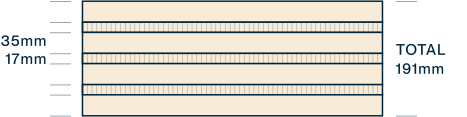
Span table
| Condition | Vibration | L/240 | ASD |
|---|
Maximum span (FT), Live Load=40PSF, V Grade
Footnotes
- For panel properties refer to Tables 8 and 9 in MMT Design Guide. Span tables should be used under dry conditions and for Preliminary Sizing only.
- Span tables includes self-weight plus a super-imposed dead load of SDL=40PSF. This SDL covers a typical 2” thick concrete topping + 15PSF for miscellaneous imposed dead loads.
- For double span situation, both spans are assumed to be equal. Live load pattern loading have not been considered. Live loads are assumed to be uniform over both spans.
- Deflection checks were made assuming a maximum allowable deformation of L/240 (L= span) under total load, including creep behaviour as defined in NDS classes 3.5.2 with Kcr=2.0.
- Vibration design follows the approach outlined in the CLT Handbook, as referenced in the latest U.S. Mass Timber Floor Vibration Design Guide.Vibration span values are increased by 20% for double-span conditions, based on guidance from the U.S. CLT Handbook and the Mass Timber Floor Vibration Design Guide. The effect of flexible supports (e.g., glulam beams) is not reflected in the vibration results presented; more advanced analysis may be required.
- ASD spans shown are established not to exceed the maximum Moment and Shear capacities of the panels, as per ASD design methodology defined on the NDS. All adjustment factors outlined in NDS Table 10.3.1 have assumed as 1.0.
- Span tables values are only valid the major strength direction of the CLT panels.
- Some spans might exceed manufacturing capacities (60′ single span panel, 2×30′ for double span). In some manufacturing plants and situations, the maximum panel size might be further reduced. Contact Mercer Mass Timber for more details.
CLT7-245
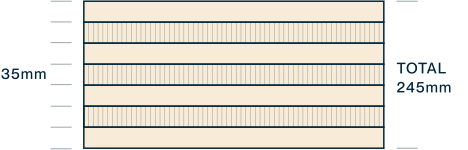
Span table
| Condition | Vibration | L/240 | ASD |
|---|
Maximum span (FT), Live Load=40PSF, V Grade
Footnotes
- For panel properties refer to Tables 8 and 9 in MMT Design Guide. Span tables should be used under dry conditions and for Preliminary Sizing only.
- Span tables includes self-weight plus a super-imposed dead load of SDL=40PSF. This SDL covers a typical 2” thick concrete topping + 15PSF for miscellaneous imposed dead loads.
- For double span situation, both spans are assumed to be equal. Live load pattern loading have not been considered. Live loads are assumed to be uniform over both spans.
- Deflection checks were made assuming a maximum allowable deformation of L/240 (L= span) under total load, including creep behaviour as defined in NDS classes 3.5.2 with Kcr=2.0.
- Vibration design follows the approach outlined in the CLT Handbook, as referenced in the latest U.S. Mass Timber Floor Vibration Design Guide.Vibration span values are increased by 20% for double-span conditions, based on guidance from the U.S. CLT Handbook and the Mass Timber Floor Vibration Design Guide. The effect of flexible supports (e.g., glulam beams) is not reflected in the vibration results presented; more advanced analysis may be required.
- ASD spans shown are established not to exceed the maximum Moment and Shear capacities of the panels, as per ASD design methodology defined on the NDS. All adjustment factors outlined in NDS Table 10.3.1 have assumed as 1.0.
- Span tables values are only valid the major strength direction of the CLT panels.
- Some spans might exceed manufacturing capacities (60′ single span panel, 2×30′ for double span). In some manufacturing plants and situations, the maximum panel size might be further reduced. Contact Mercer Mass Timber for more details.
CLT9-315
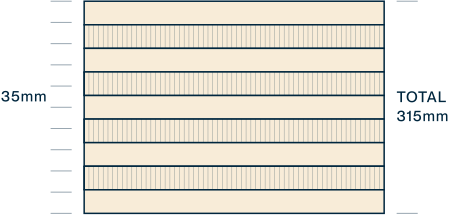
Span table
| Condition | Vibration | L/240 | ASD |
|---|
Maximum span (FT), Live Load=40PSF, V Grade
Footnotes
- For panel properties refer to Tables 8 and 9 in MMT Design Guide. Span tables should be used under dry conditions and for Preliminary Sizing only.
- Span tables includes self-weight plus a super-imposed dead load of SDL=40PSF. This SDL covers a typical 2” thick concrete topping + 15PSF for miscellaneous imposed dead loads.
- For double span situation, both spans are assumed to be equal. Live load pattern loading have not been considered. Live loads are assumed to be uniform over both spans.
- Deflection checks were made assuming a maximum allowable deformation of L/240 (L= span) under total load, including creep behaviour as defined in NDS classes 3.5.2 with Kcr=2.0.
- Vibration design follows the approach outlined in the CLT Handbook, as referenced in the latest U.S. Mass Timber Floor Vibration Design Guide.Vibration span values are increased by 20% for double-span conditions, based on guidance from the U.S. CLT Handbook and the Mass Timber Floor Vibration Design Guide. The effect of flexible supports (e.g., glulam beams) is not reflected in the vibration results presented; more advanced analysis may be required.
- ASD spans shown are established not to exceed the maximum Moment and Shear capacities of the panels, as per ASD design methodology defined on the NDS. All adjustment factors outlined in NDS Table 10.3.1 have assumed as 1.0.
- Span tables values are only valid the major strength direction of the CLT panels.
- Some spans might exceed manufacturing capacities (60′ single span panel, 2×30′ for double span). In some manufacturing plants and situations, the maximum panel size might be further reduced. Contact Mercer Mass Timber for more details.
Factory Capacity
Spokane, Conway
Source materials
Species groups
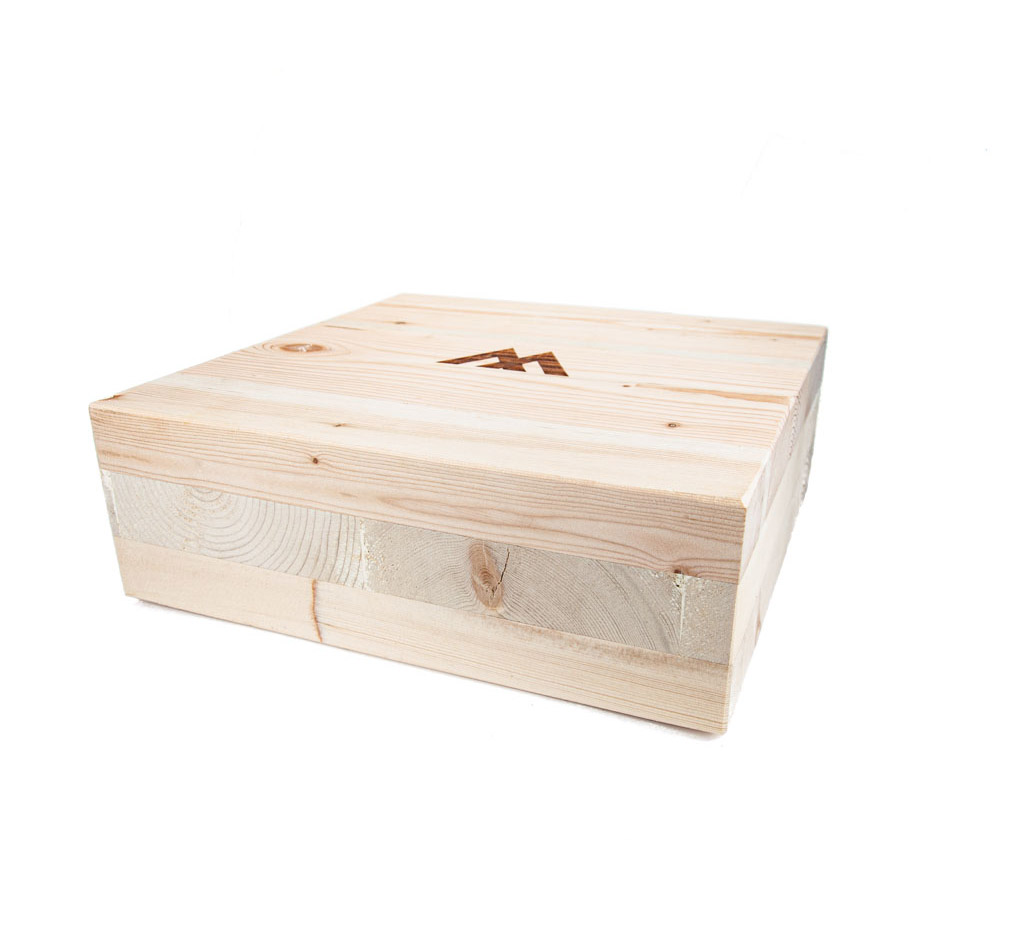
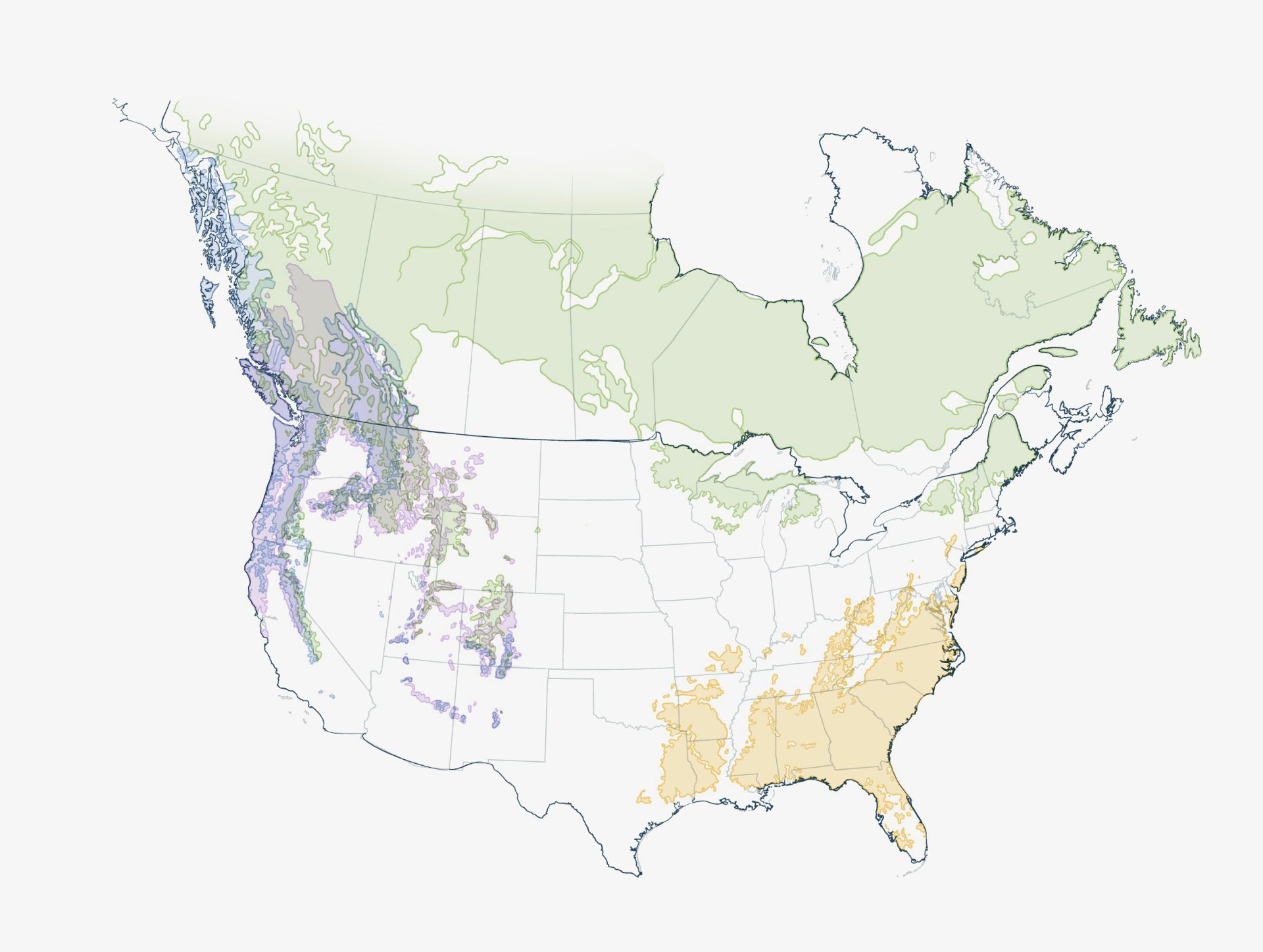
We source our lumber from forests that are vetted for their sustainability practices, tight grain structure, integrity, and quality. The species are presented in the order most commonly used across North America, reflecting both market demand and the breadth of our supply.
Spruce-Pine-Fir (SPF)
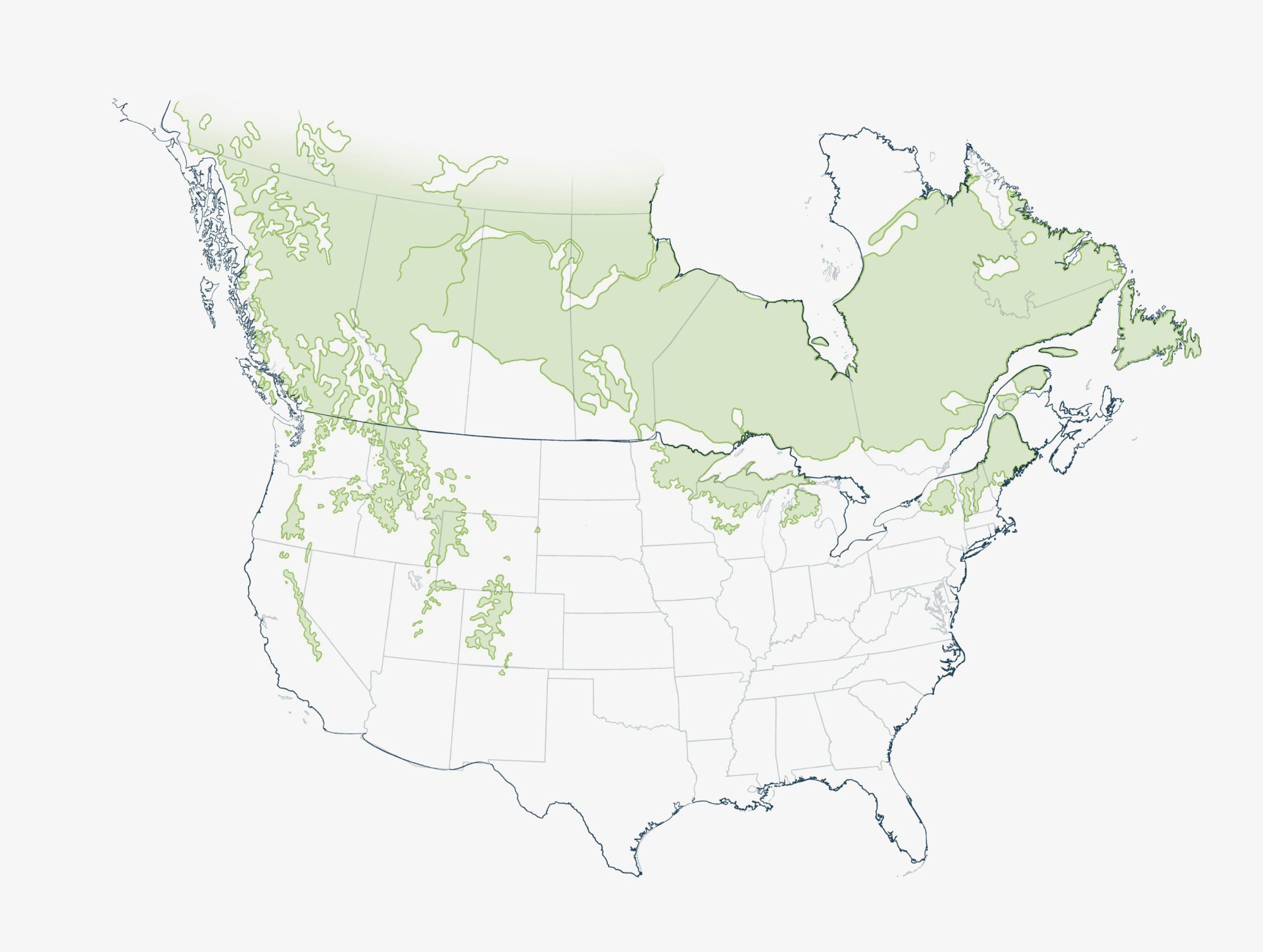
SPF is a versatile softwood lumber with high strength-to-weight ratio, stability, and ease of workability. We source SPF primarily from certified forests in western Canada and from the Rocky Mountains, Pacific Northwest, and Great Lakes regions in the United States.
Southern Yellow Pine (SYP)
SYP is grown primarily in the southern United States and is known for its high strength and stiffness, natural resistance to decay and insects, and warm natural appearance.
Douglas Fir-Larch (DF-L)
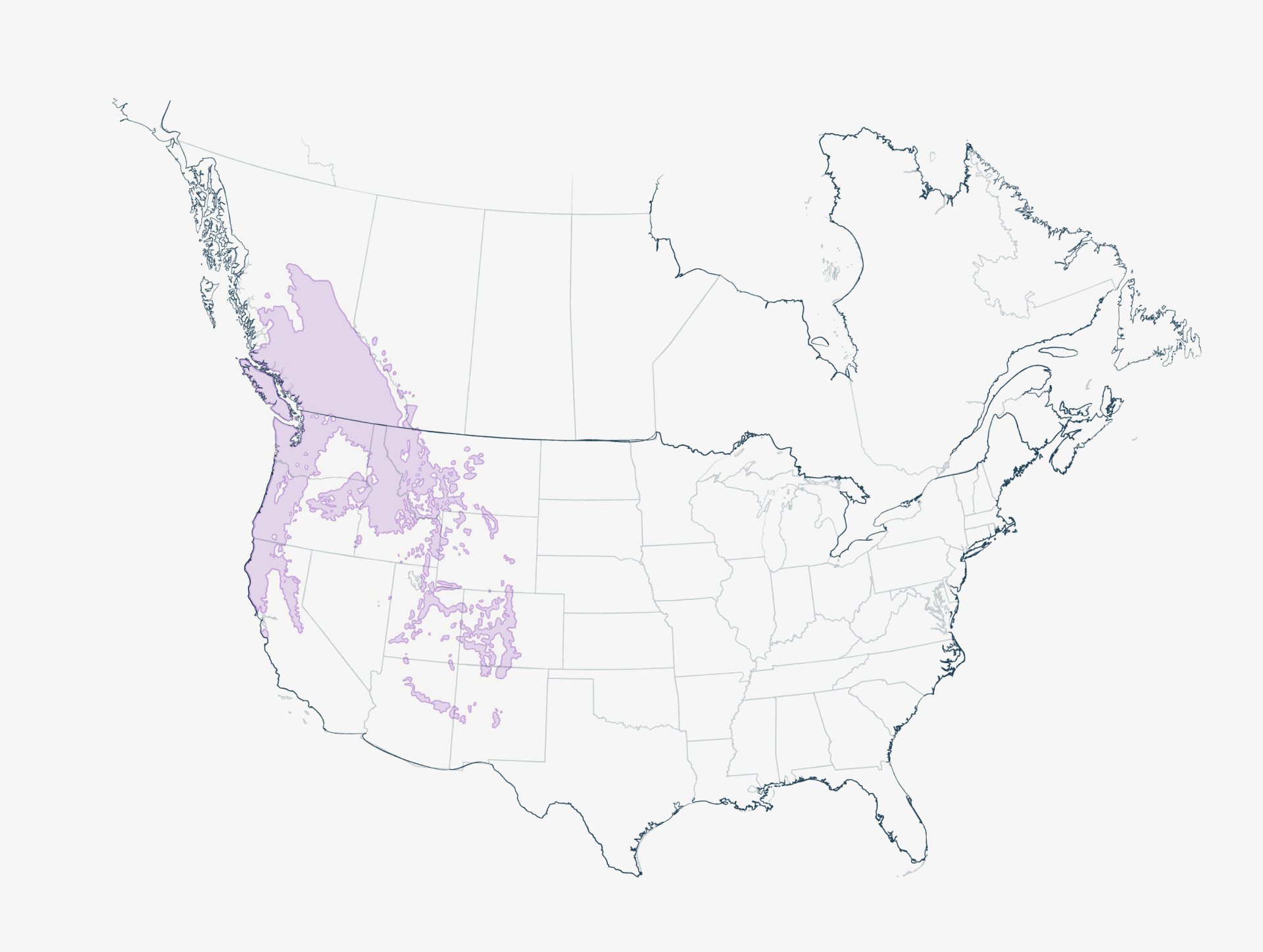
DF-L is valued for its strength and natural resistance to decay and moisture. It is preferred in applications where higher weight and density are needed. We source DF-L primarily from the Pacific Northwest, the Rocky Mountains, and the interior of British Columbia.
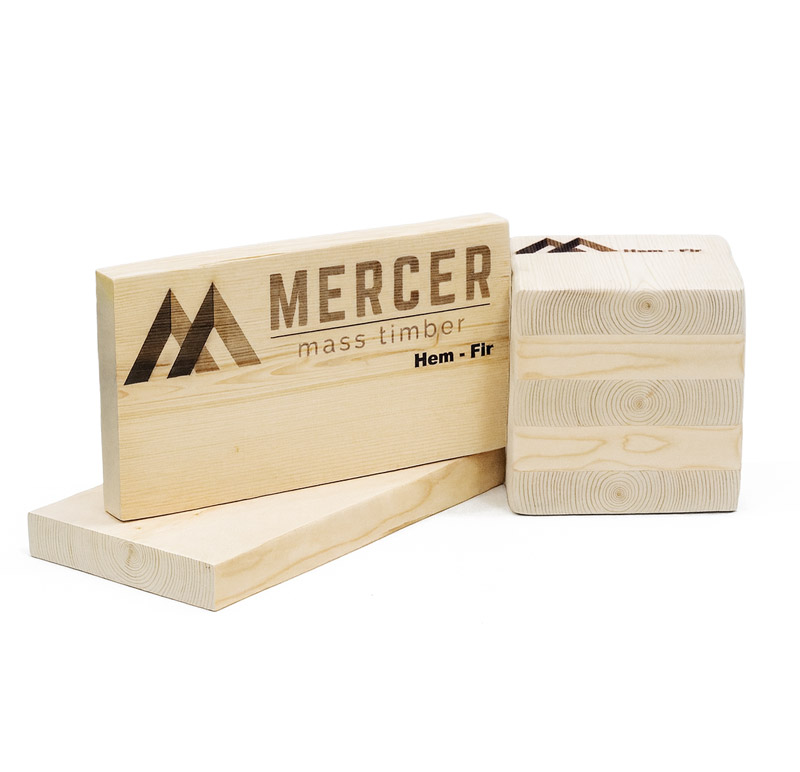
Hem-Fir (HF)
Hem-Fir is a strong, straight-grained softwood species group known for its excellent dimensional stability and smooth finish. It is ideal for applications requiring consistent performance and appearance. We source Hem-Fir primarily from the coastal and interior regions of the Pacific Northwest and British Columbia. Hem-Fir is anticipated to join our certified product lineup in mid-2026.
Drag to Spin
Species Sourcing
Locally rooted, performance proven
Hem-Fir is anticipated to join our certified product lineup in mid-2026.


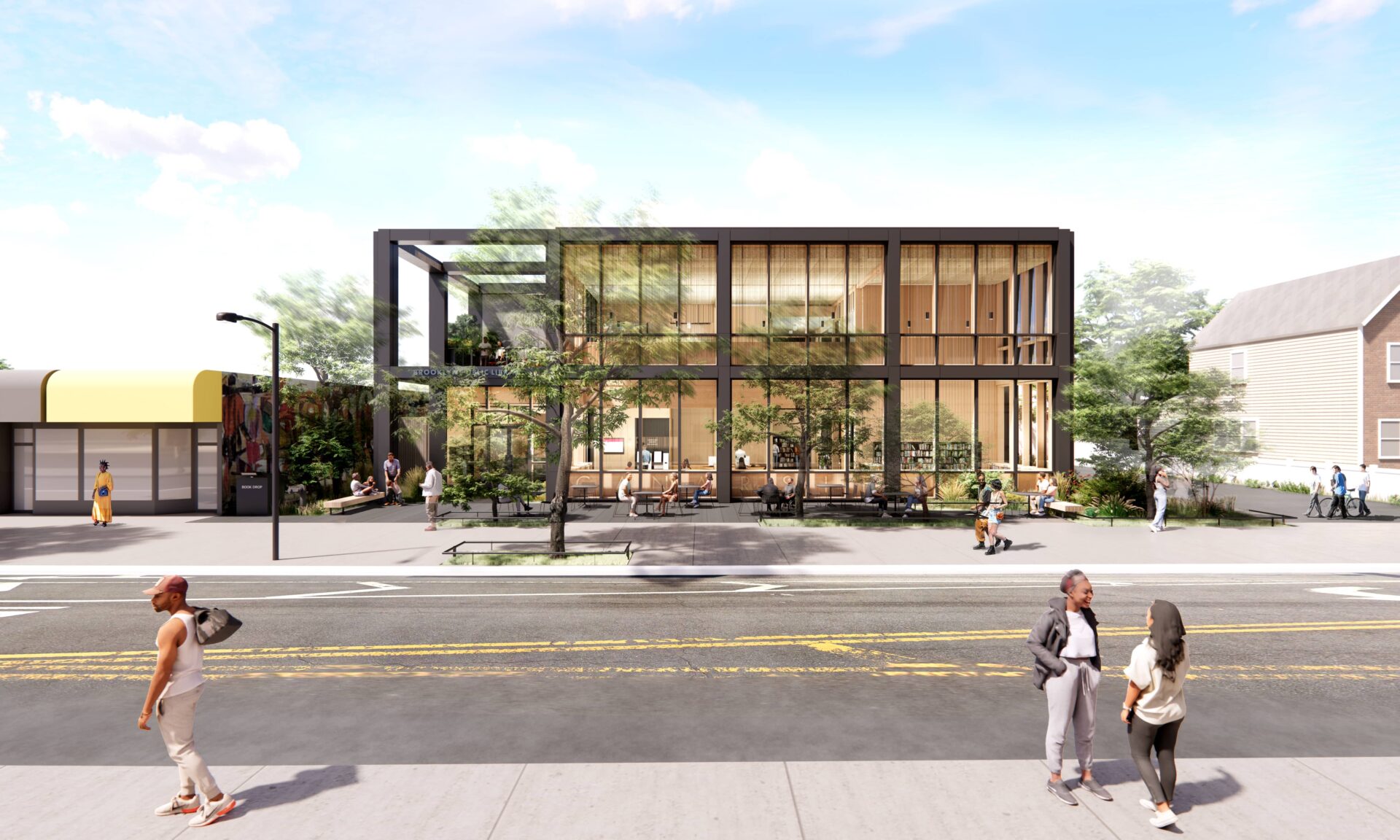
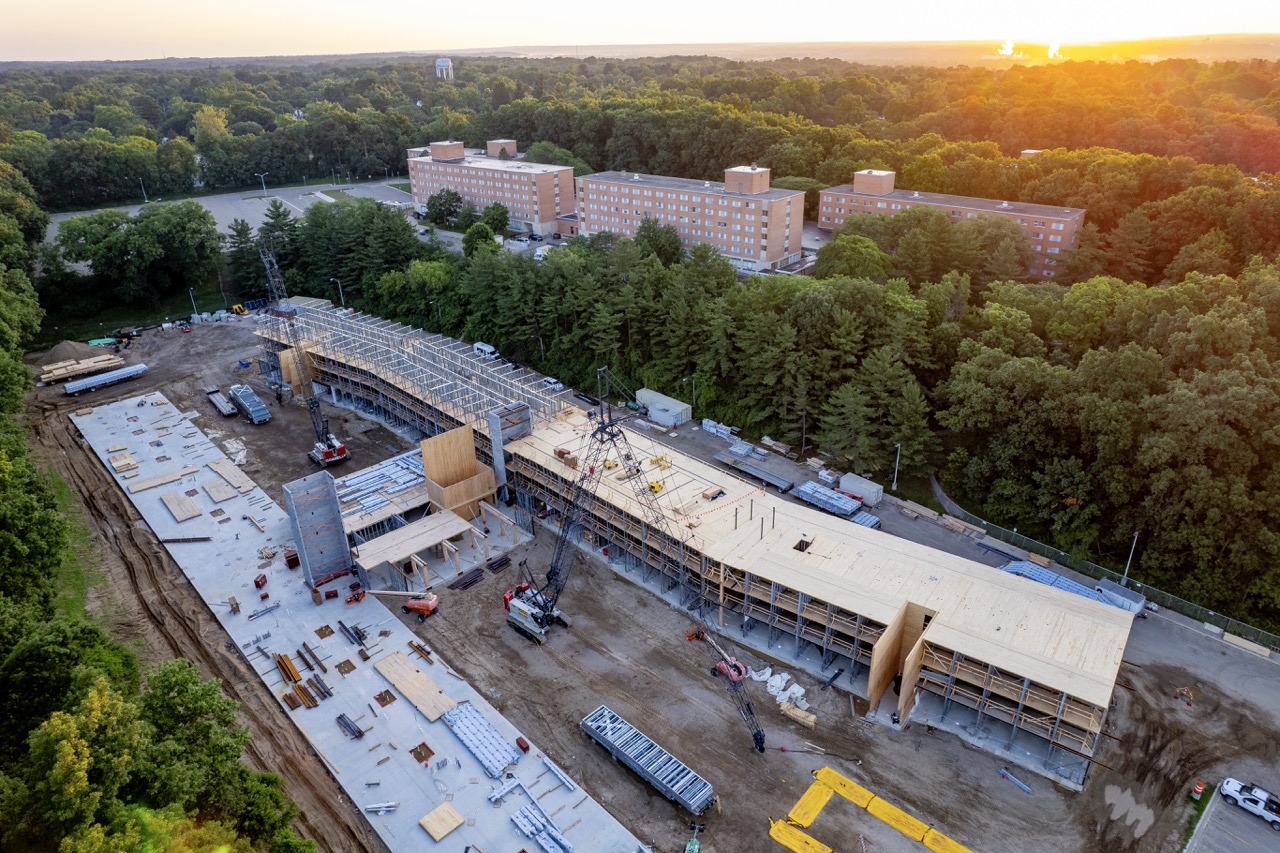
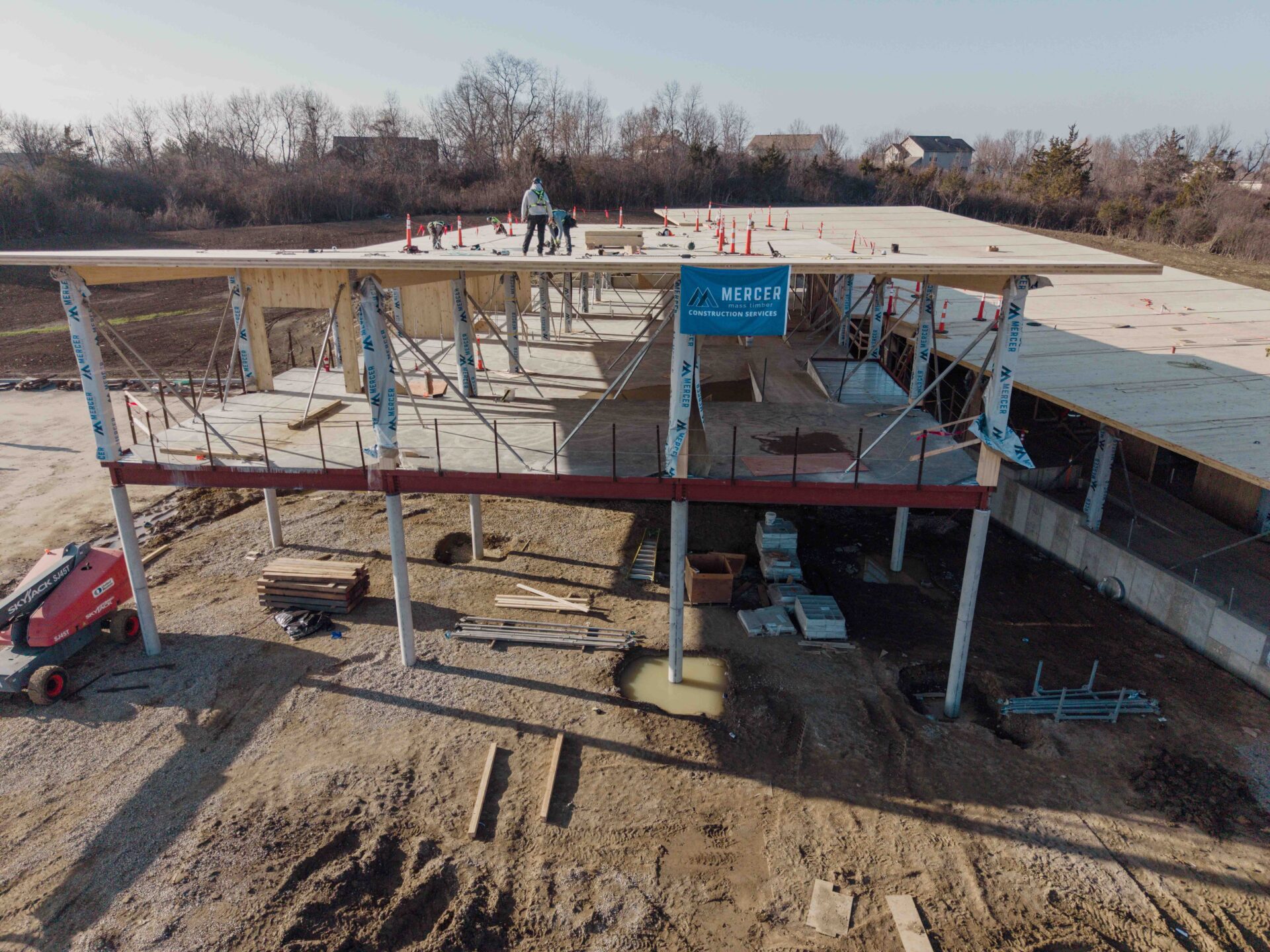
Explore our CLT projects


Looking for more information on our products?
Connect with our team about our high-quality mass timber products and discover how they can help you achieve your construction goals.
By submitting this form, you agree to our privacy policy and will get communication from Mercer Mass Timber.
